
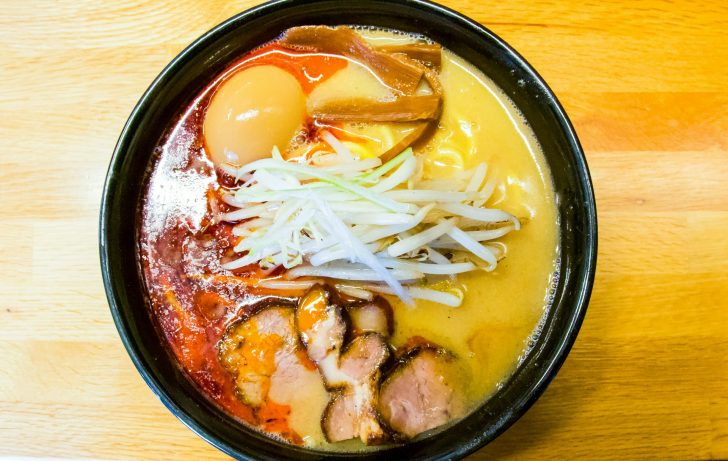
Aside from sushi, ramen is probably the most popular Japanese food worldwide. While it is well known as a quick and cheap cup noodle meal, real ramen tastes much better than the packaged kind. And there’s no better place to try ramen than in Japan itself, as the entire country specializes in it. Ramen, first known as “shina soba,” was popularized in post-World War II Japan. This guide will cover the most well-known types of ramen flavors, as well as other information such as the noodles and toppings.
Ordering
As ramen is known as a type of fast food in Japan, it usually has a different order process than other restaurants. You put in your order as well as your money in a vending machine-like device, which gives you a small sheet of paper. You then hand this sheet of paper containing your order to a waiter, and sit down. Most ramen restaurants have English menus, but just in case, we’ve added the Japanese characters next to the English spelling of each ramen broth.
味噌 Miso
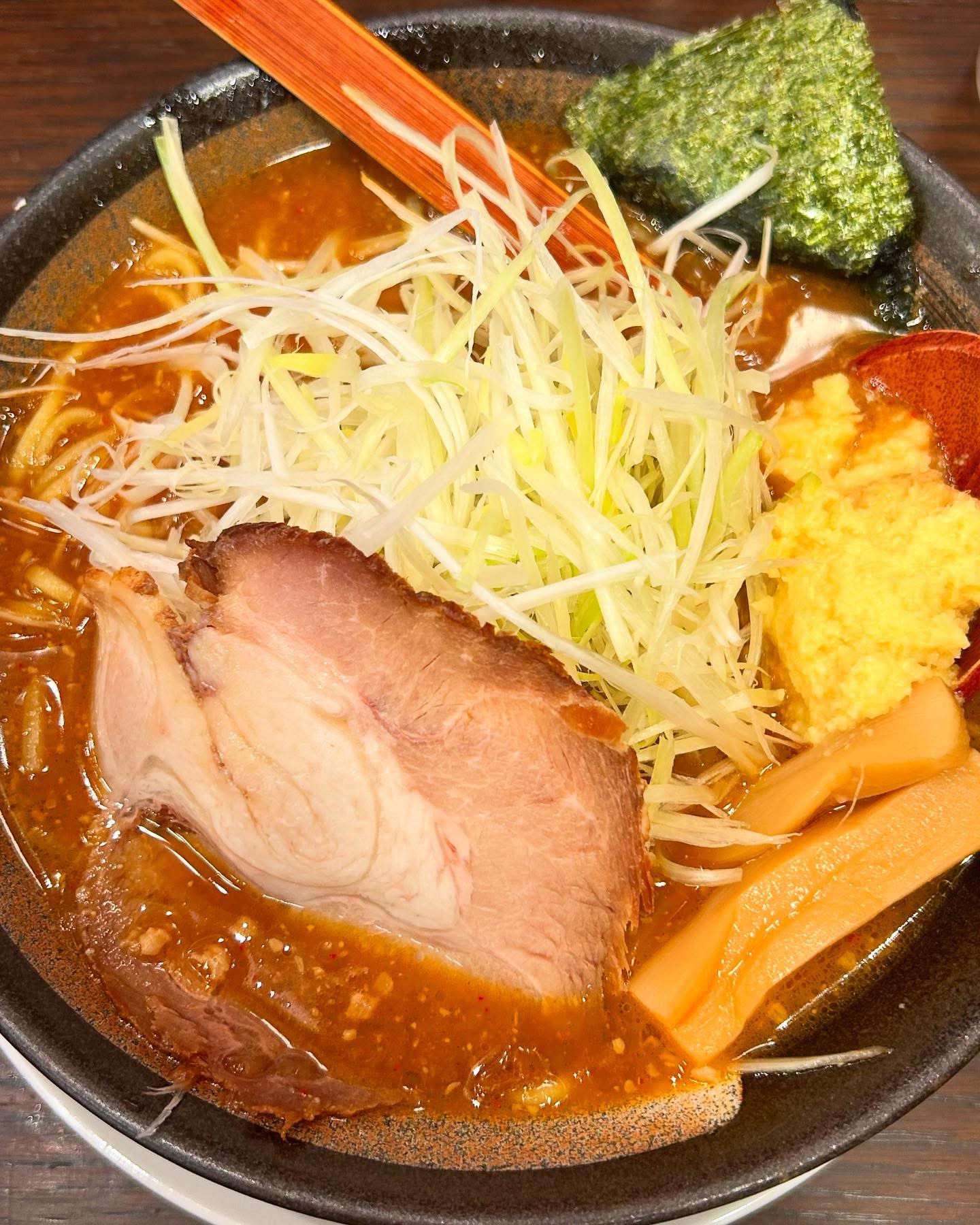
Restaurant: Shun
味噌 Miso: This flavorful ramen is characterized by its hearty miso based broth.
Key Characteristics
- Broth: Chicken base with miso tare (seasoning).
- Noodles: Thick, wavy, chewy noodles to compliment the hearty broth.
Origin: This ramen was originally made in Sapporo, Hokkaido by the restaurant Aji no Sanpei in 1954. It is a Hokkaido staple, mainly enjoyed in the winter.
Famous Shops
- Aji no Sanpei: ajino-sanpei.com
- Sumire: sumireya.com
豚骨 Tonkotsu
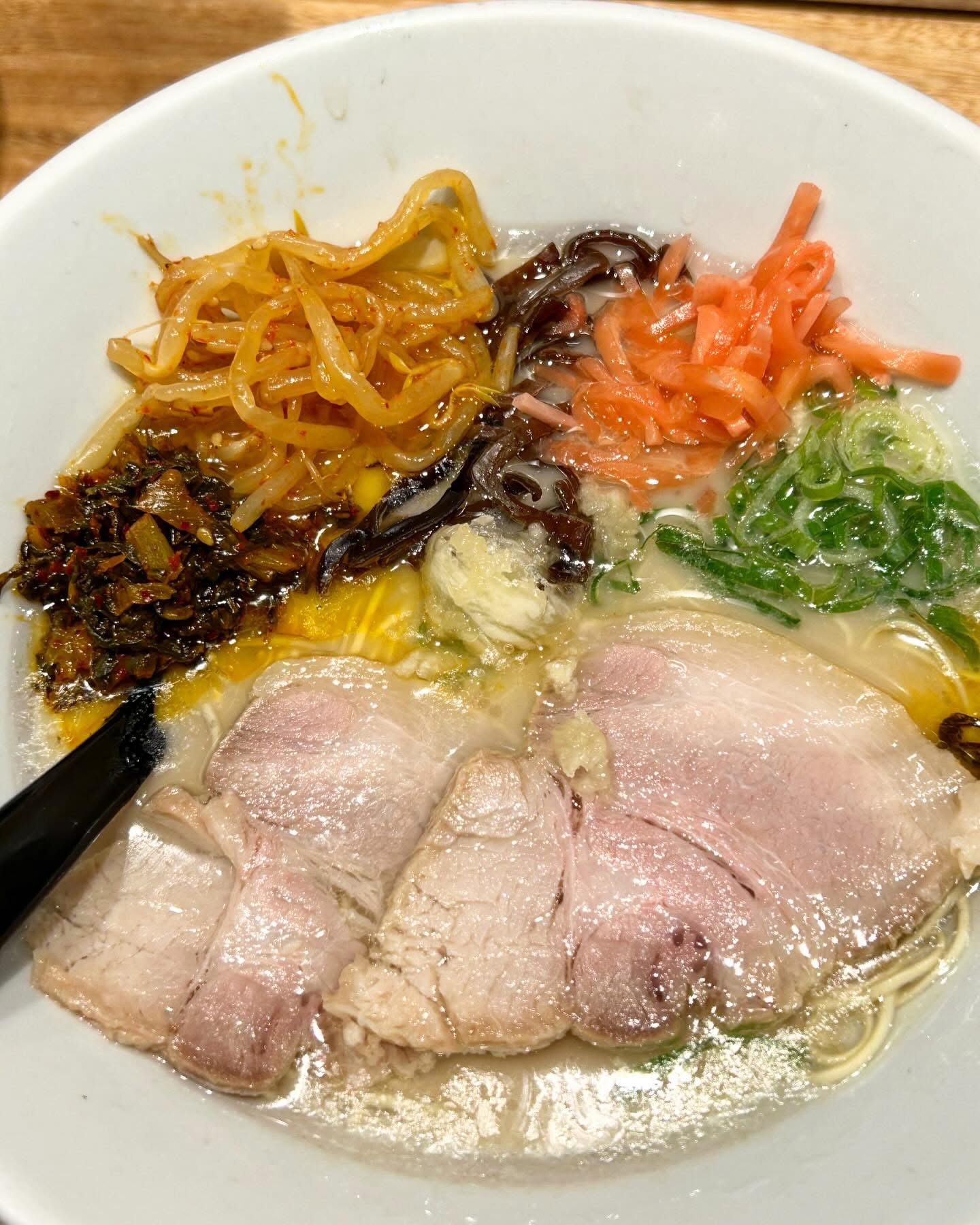
Restaurant: Ippudo
豚骨 Tonkotsu: Also called Hakata ramen, this broth is rich and milky. It’s the most popular ramen worldwide, with chains like Ichiran even going international. Many tonkotsu restaurants also have a unique customization system.
Key Characteristics
- Broth: Pork bones
- Noodles: Thin and straight
- Customization: You can order a “kaedama” (refill of noodles) for your extra broth if you’ve finished your initial helping. The noodle texture is also customizable, with 4 options: バリカタ Barikata (very hard), かた Kata (hard), ふつ Futsu (medium) or やわ Yawa (soft).
Origin: This ramen flavor was invented in Kurume, Fukuoka around 1937. It’s said to have been an accidental discovery by the street stall Nankin Senryo, whose owner over-boiled their broth, resulting in the thick, milky ramen.
Famous Restaurants:
- Tokyo style Tonkotsu (milder broth)
- Tanaka Shouten: tanaka-shoten.net
- Kyushu Jangara: kyushujangara.co.jp
- Hakata style Tonkotsu (richer broth)
- Ippudo: ippudo.com
- Ichiran: en.ichiran.com
- Ganso Nagahama: ganso-nagahamaya.co.jp
塩 Shio
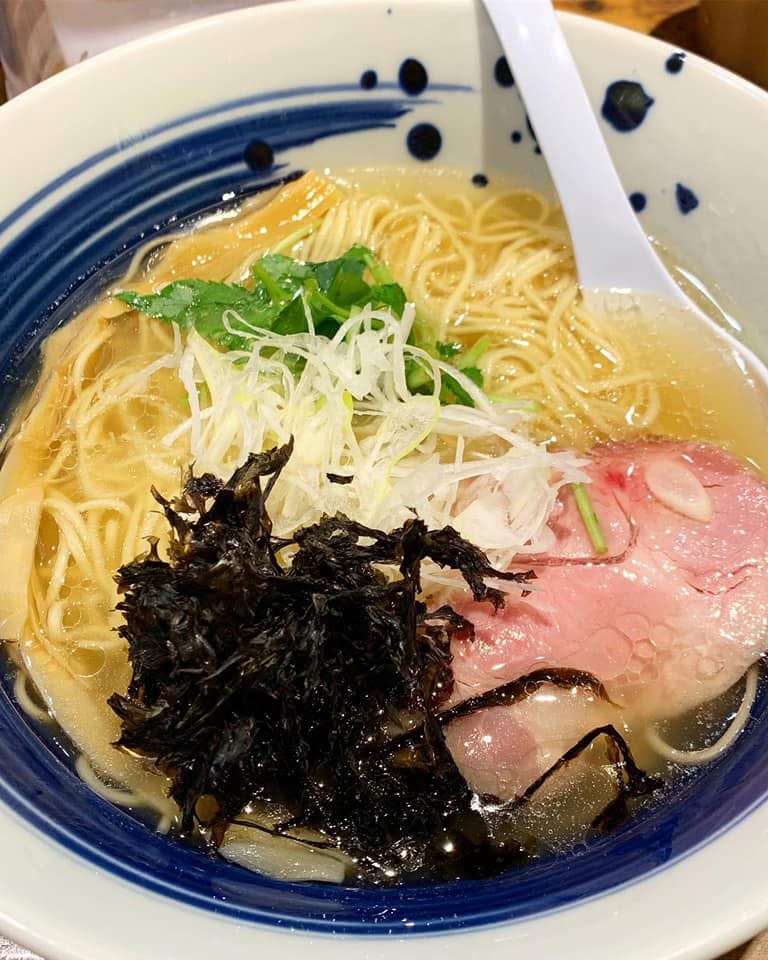
Restaurant: Menya Sho Minato
塩 Shio: light, clear broth, salty with usually either chicken or seafood – ‘shio’ means ‘salt’ in Japanese. It originated in Hakodate, Hokkaido.
Key Characteristics
- Broth: Light and clear salty broth, with either chicken or seafood.
- Noodles: Thin and straight
Origin: When Hakodate opened its port in the late 1800s, many southern Chinese immigrants came to Japan and started restaurants. One in particular, Yo-wa ken (養和軒) opened in 1884, which kickstarted shio ramen in Hokkaido, and later, the rest of Japan.
Famous Restaurants:
- Soba House Konjiki Hototogisu: sobahousekonjikihototogisu.com
- Menya Sho: menya-sho.co.jp
醤油 Shoyu
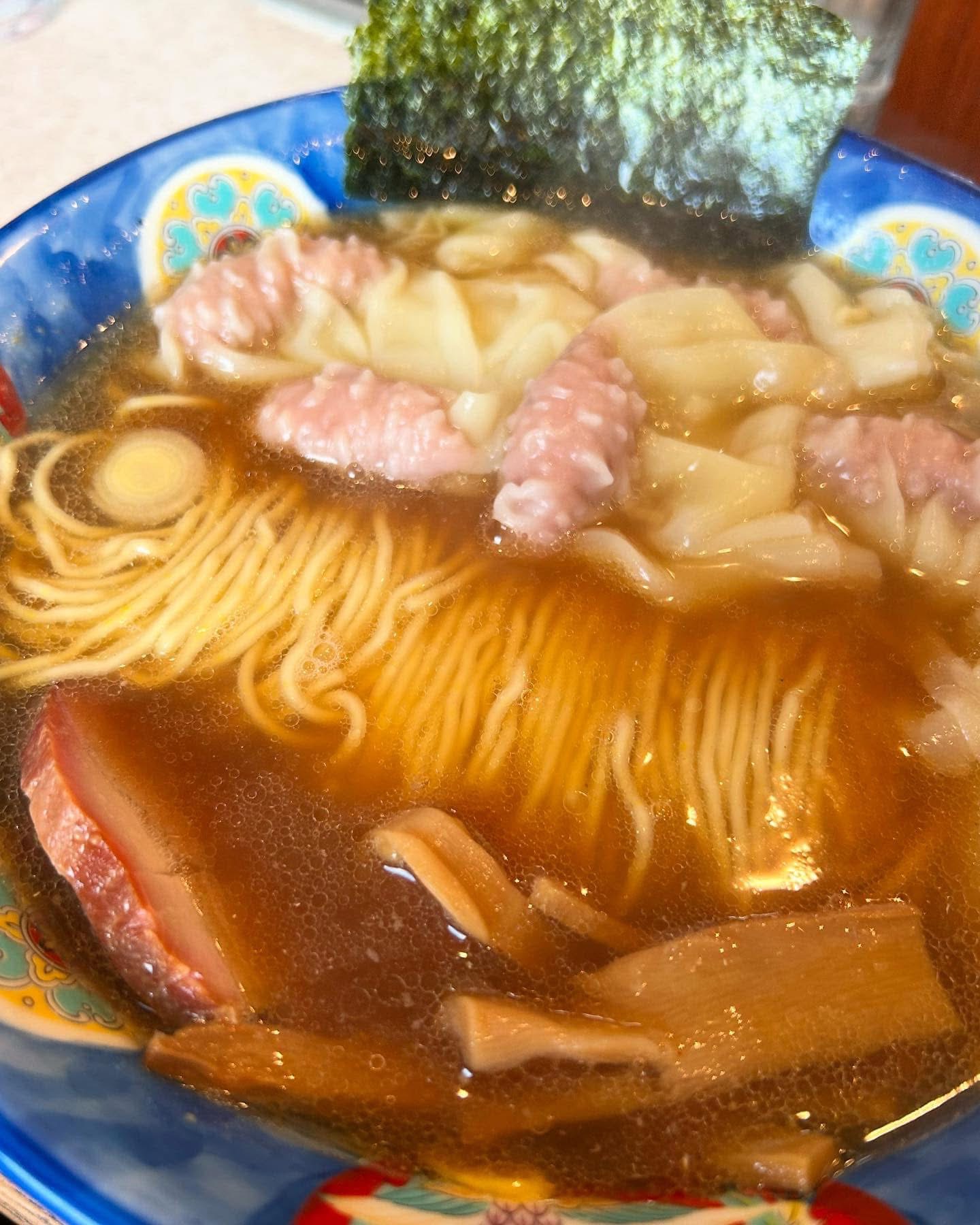
Restaurant: Tantantei
醤油 Shoyu: Soy sauce-flavored ramen. Most popular in Tokyo.
Key Characteristics
- Broth: Clear, brown soy sauce-based. Broth can also include chicken, pork bones, or sometimes even seafood like kombu seaweed, dried anchovies and katsuobushi (bonito flakes). This produces a deep, savory taste.
- Noodles: Medium-thin curly noodles
Origin: It is one of the oldest types of ramen ever created, first made in Tokyo, where it was initially called simply “Tokyo Ramen.” It gained popularity after it was served in 1910 at a restaurant called Rairaiken in Asakusa.
Famous Restaurants:
- Shina Soba Tantantei: share.google/RW3RY8esojMpaqusX
- Ramen Naokyu: naokyu.com
煮干し Niboshi
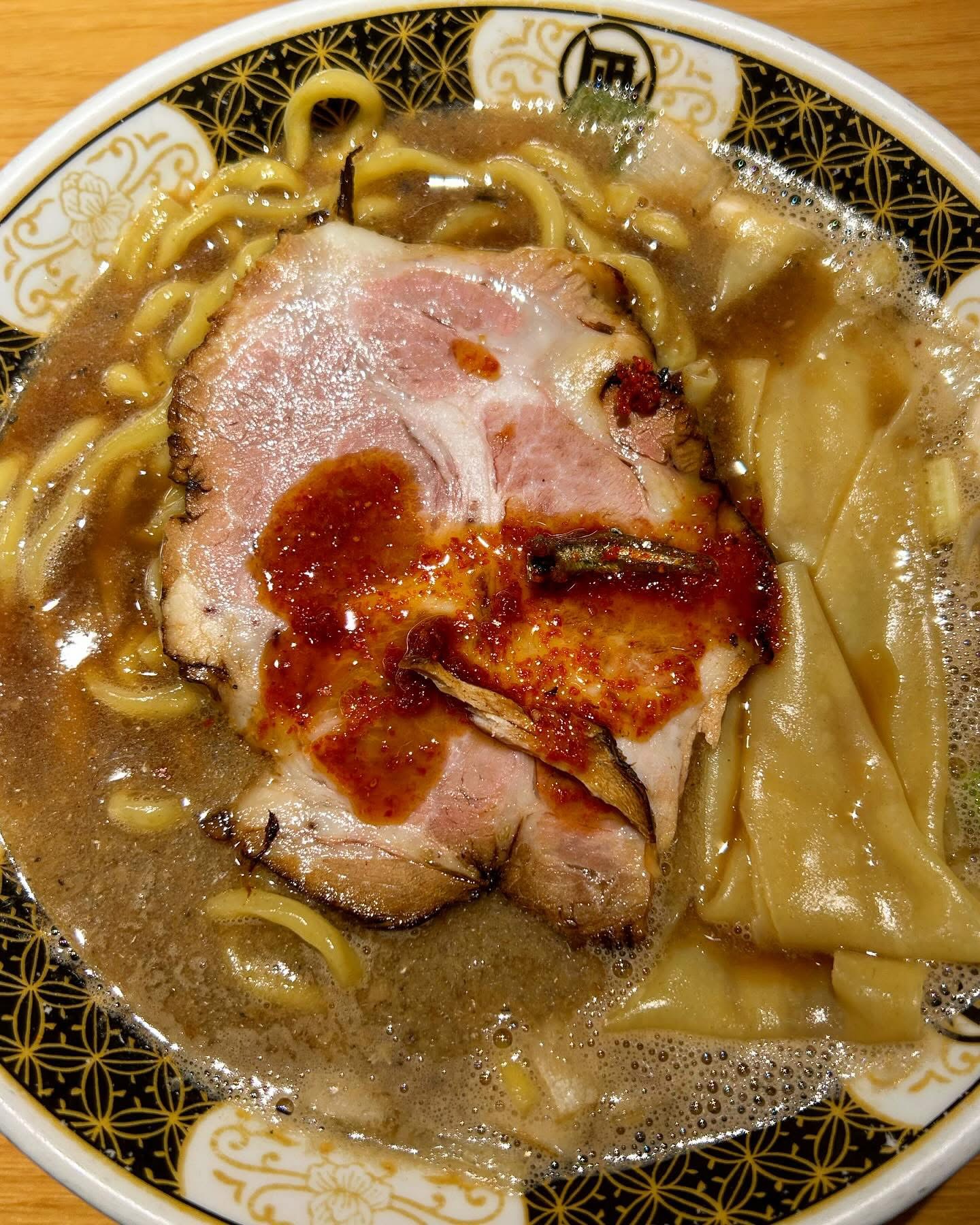
Restaurant: Nagi
煮干し Niboshi: This broth is made by simmering sardines, resulting in a very thick soup.
Key Characteristics:
- Broth: Dried sardines
- Noodles: Any kind
Origin: Created in Aomori in northern Japan.
Famous Restaurants:
- Sugoi Niboshi Ramen Nagi Shinjuku Golden Gai Ten Honkan: https://lit.link/ramennagi
- Hi wa Mata Noboru: x.com/masa_ponkotu
横浜家系 Yokohama Iekei
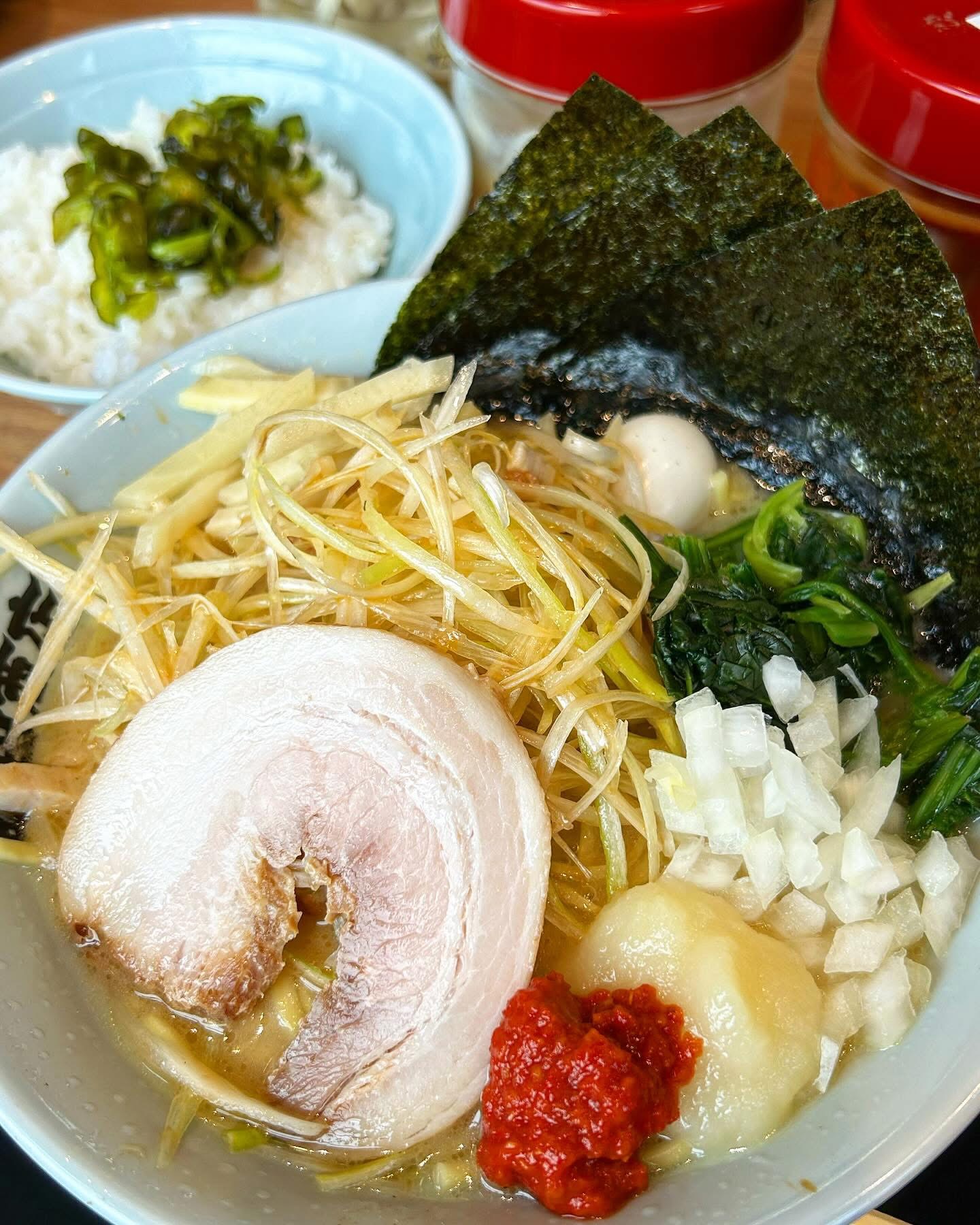
Restaurant: Machida Shoten
横浜家系 Yokohama Iekei: A distinctive style of ramen originating from Yokohama, Japan, characterized by its rich, creamy broth, Iekei ramen is also known for its customizable nature, allowing diners to adjust the richness of the broth and firmness of the noodles to their liking.
Key Characteristics
- Broth: A blend of tonkotsu (pork bone) and shoyu (soy sauce), often with chicken fat for added richness.
- Noodles: Thick, straight noodles, designed to hold the rich broth.
- Toppings: Chashu (braised pork), spinach, nori (seaweed) and green onions.
- Customization: Diners can often choose the richness of the broth (e.g., more or less oil) and the firmness of the noodles.
Origin: Iekei ramen originated in Yokohama in 1974, with the ramen shop Yoshimura-ya (吉村家) credited as the birthplace of this style. The founder, a former long-distance truck driver, combined the tonkotsu broth of Kyushu (southern Japan) with the soy sauce-based ramen of the Kanto (eastern Japan) region.
Famous Restaurants:
- Iekei Sohonzan Ramen Yoshimura: ieke1.com
- Sugita-ya: sugitaya.com
- Machida Shoten: machidashoten.com
鶏白湯 Tori Paitan
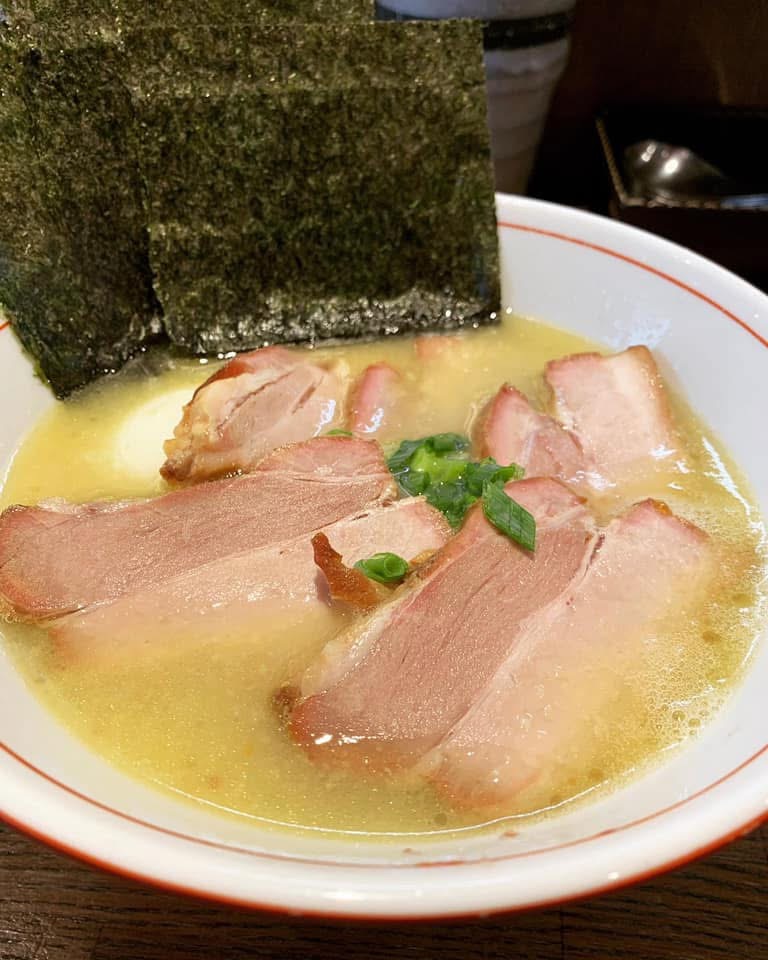
Restaurant: Baribari Johnny
鶏白湯 Tori Paitan: The chicken equivalent of tonkotsu; broth made with chicken bones.
Key Characteristics:
- Broth: Features a creamy, rich, and intensely flavored chicken broth. The broth, often described as having a gravy-like consistency, is made by simmering chicken bones, skin, and sometimes cartilage for an extended period, allowing the collagen and other components to dissolve and create a thick, milky white soup. It’s essentially the chicken-based equivalent of tonkotsu ramen, which uses pork bones.
- Noodles: Thick and chewy
Origin: A more modern take on the classic ramen style, originating from Chinese noodles. Has become more popular since 2010.
Famous Restaurants:
- Tori Soba Mitaba: x.com/ramenmitaba
- Baribari Johnny: barixbali.com
鶏清湯 Tori Chintan
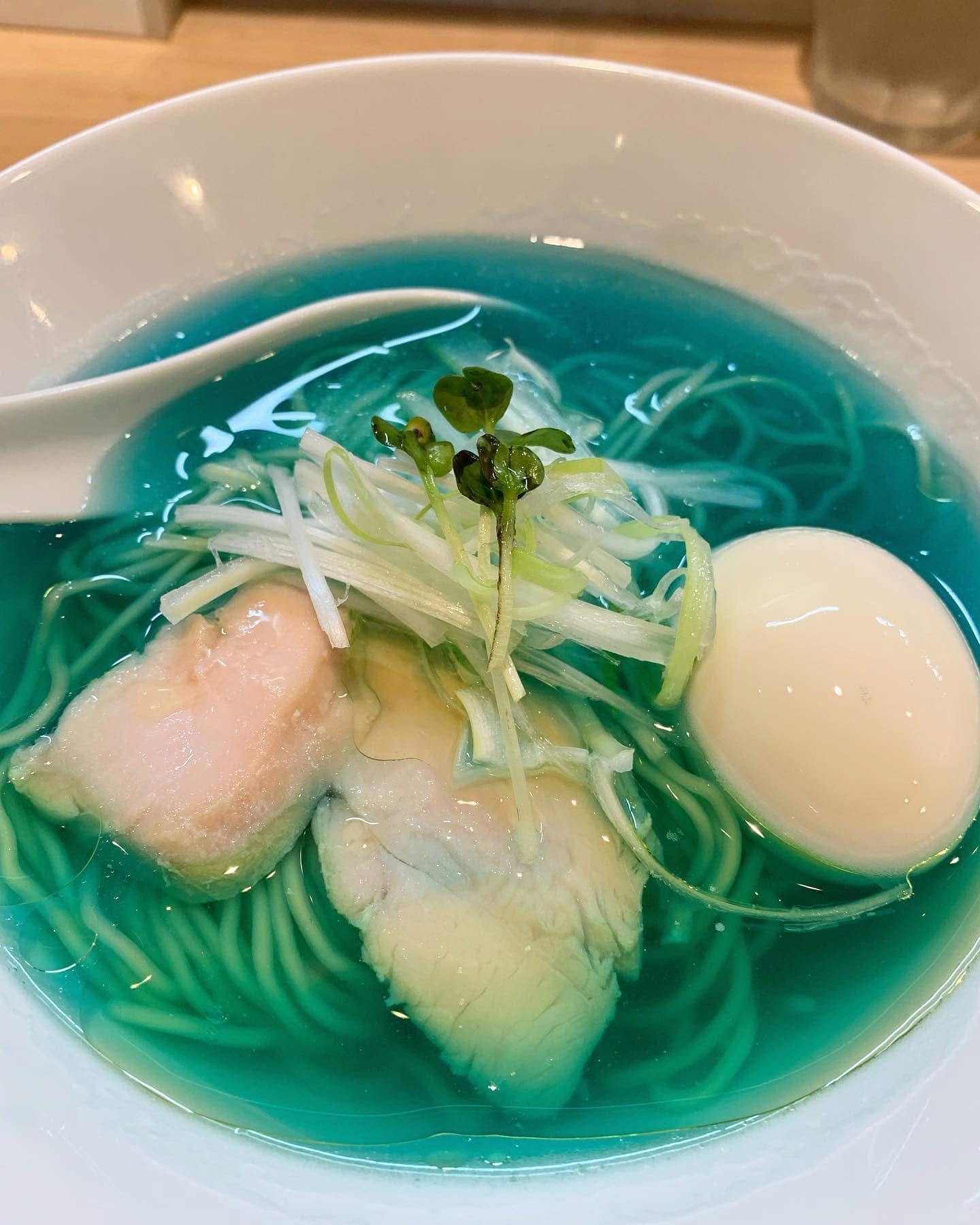
Restaurant: Kippoushi
鶏清湯 Tori Chintan: Features a clear, chicken-based broth, seasoned with shoyu (soy sauce) or shio (salt). “Tori” means chicken in Japanese and “chintan” refers to the clear and pristine nature of the broth in Chinese.
Key Characteristics:
- Broth: Chicken and either soy sauce or salt. Made by simmering chicken bones and other ingredients at a low temperature to extract flavor without making it cloudy.
- Noodles: Straight and thin
Origin: Based on Chinese noodles, this modern take on ramen has gained popularity in the past 15 years.
Famous Restaurants:
- Kippoushi: x.com/kipposhi21
汁なし Shiru-nashi
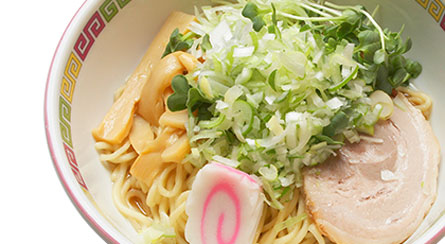
Restaurant: Houka
(Photo courtesy of k-houka.com).
汁なし Shiru-nashi: A new type of ramen that does not come with broth, rather relies on toppings and flavors.
Key Characteristics:
- Flavor: Oil-based sauce that can be anything from soy sauce to chicken flavored.
- Noodles: Chewy and flat
Origin: Also called Abura soba, meaning oily noodles, the origin is contested as two restaurants both had a similar recipe in 1952.
Famous Restaurants:
- Bubukka: ajino-mingei.co.jp/bubuka
- Houka: k-houka.com
激辛ラーメン系 Super spicy ramen
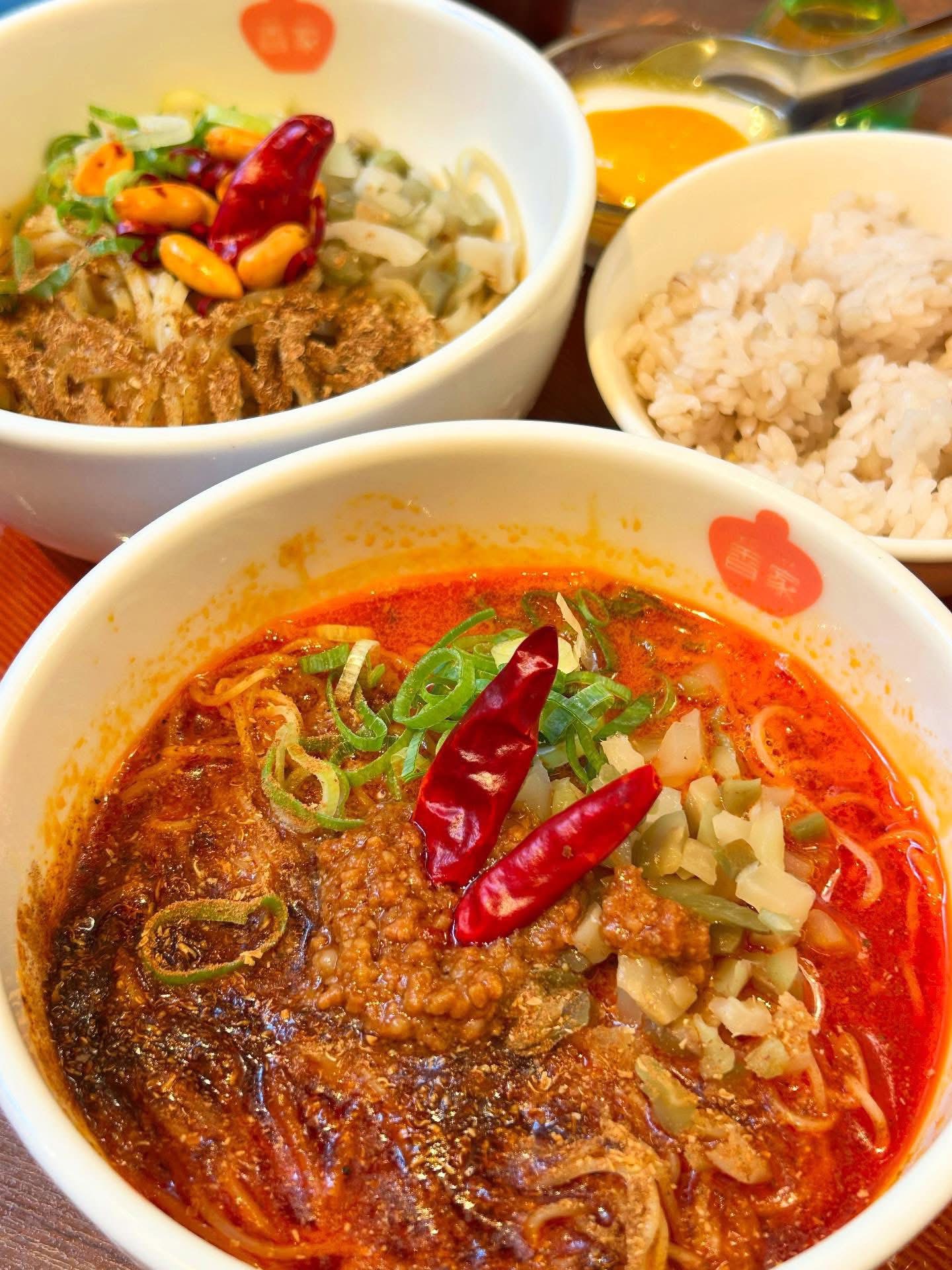
Restaurant: Koya
激辛ラーメン系 Super spicy ramen: Self-explanatory. For those with a high tolerance for spice, this is a fun challenge.
Famous Restaurants:
- Mouko Tanmen Nakamoto: moukotanmen-nakamoto.com
- Koya: koya.co.jp
Most common toppings
- Nori: dried seaweed.
- Soft boiled eggs: marinated in soy sauce.
- Chashu: juicy pork slices.
- Bean sprouts
- Narutomaki: a small fish cake with a pink swirl.
- Menma: bamboo shoots.
- Mushrooms: shiitake, enoki, or kikurage.
- Corn
Etiquette
- Slurping: Unlike in Western countries, slurping noodles in Japan is actually encouraged. It shows the chef that you enjoy the meal. It’s also encouraged to drink straight from a bowl of broth (or soups in general) instead of using a spoon if you don’t have one.
- Fast food: Since ramen is considered a fast food, it’s not normal to stick around the shop after you’ve finished eating. It’s supposed to be a quick meal, so much so that some ramen restaurants don’t even have chairs to sit down while you eat.
- Chopsticks: As for any food in Asia, you shouldn’t stick your chopsticks straight up in the food. When you’re done with your ramen, place them along the rim of your bowl as you leave.
Story by Cassidy Samuels





Recent Comments