

History
Tracing its origins back to China, miso is thought to have been introduced to Japan about 1,200 or 1,300 years ago. The mixtures of beans, grains and salt was an efficient means of preservation in warmer temperatures. Originally a delicacy enjoyed only by the extremely wealthy, it became a staple for samurai, thanks to its reputation as an energy booster. Even as miso gained popularity and began to be enjoyed by the general population, there was still somewhat of a caste system surrounding miso. Members of the nobility, samurai and the very wealthy would only eat white miso, made with costly polished white rice. The working and farming class were not permitted to use such a valued commodity and made their miso from broken rice, barley, wheat or other grains. By about the 14th century, miso’s popularity and availability allowed everyone from the upper class to farmhands to enjoy the tasty and nutritious food.
Miso in the West

Until recently, miso was mostly known in Western countries as a light miso soup, served up next to sushi or other fare in Japanese restaurants. Miso has at last come into its own, all across the globe. Miso is a more complex, flexible and varied group of food products than many people realized. It is a highly versatile ingredient, lending itself to a number of different cooking styles and traditions to create a virtually endless range of unique flavors. Perhaps, however, miso got its initial boost in recognition from the attention paid to the health benefits of fermented food.
Gut health
The digestive system was once considered fairly simple: a long tube for digesting and gleaning nutrients from the food we eat. However, in the past two decades, increasing research is showing that gut health is a major factor in our overall well-being. The importance of a complex balance of “good” bacteria in the intestines, known as the “gut microbiome” has been linked to such health issues as the immune system, mental health, skin conditions and even cancer.
The gut microbiome
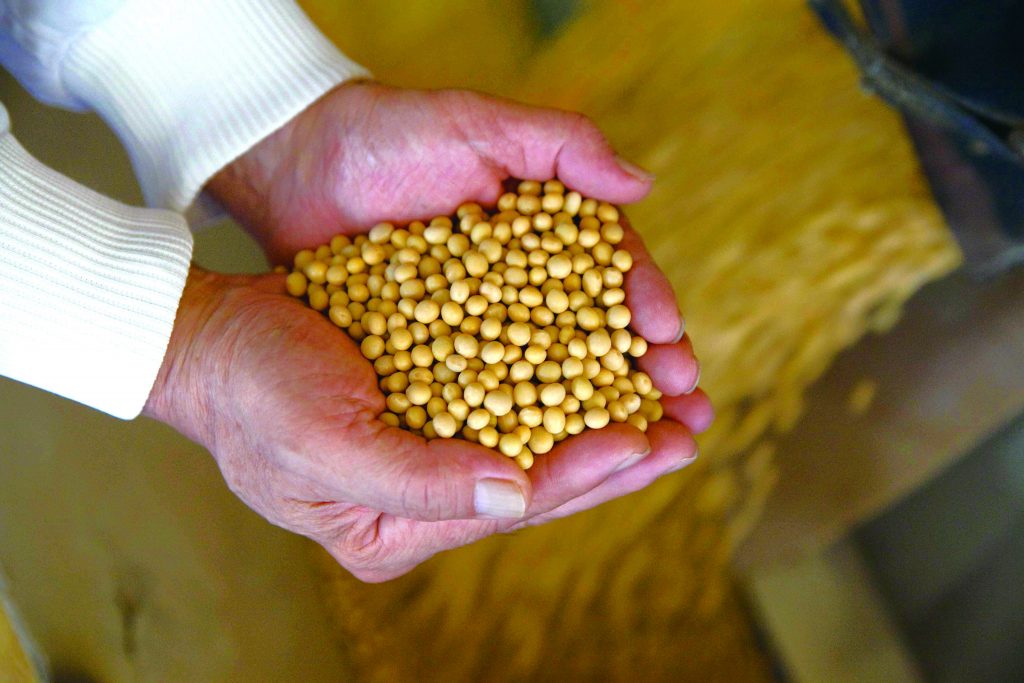
The term “gut microbiome” refers to the microorganisms living within the intestines. An average person has between 300 to 500 different species of bacteria living in their digestive tract. Some of these microorganisms can be harmful to our health, but many are exceptionally beneficial, and even necessary, to maintaining a healthy body. Many types of these good bacteria have been discovered in fermented foodstuffs like miso. Research now shows that having a wide variety of these good bacteria can improve a variety of health outcomes, including weight maintenance, immune system function and overall mental well-being.
Miso in Japan
For centuries, the Japanese have cultivated miso, mainly through a delicate blend of rice, soybeans, salt and koji, the Aspergillus oryzae mold, which is the key to the fermentation process. It is precisely this fermentation that makes miso such a healthy food. During the process, proteins in the soybeans are broken down into peptides: an excellent and important aid for gut health. Furthermore, the amino acids also produced create umami, the unique “fifth flavor,” giving miso its distinctive and delightful flavor.
In fact, miso is one of the most nutritious foods available today. Packed with the beneficial bacteria so necessary for gut health, miso also includes seven essential minerals, including zinc, magnesium, calcium, iron and potassium. Vitamins B12, E and K are also present, as well as a whopping 12% body-healthy plant-protein. What’s more, with notable levels of dietary fiber, miso can help maintain a cleansed and detoxified body.
The making of miso

Loaded with healthy vitamins, minerals, fiber and plant protein, soybeans are the premier ingredient in miso. The soybean is a rather miraculous plant, able to synthesize nitrogen from the air to create protein. The Aspergillus oryzae mold culture, koji, develops over steamed rice, barely or soybeans, thus activating the fermentation process. As a matter of fact, yellow koji, that specifically used in the making of miso, is considered the National Mold of Japan! The enzymes produced in this process help to break down soy protein into peptides and amino acids, and the carbohydrates into glucose: the essential fuel for every cell in the human body. Salt is not only used for flavor, but it also functions as a natural preservative. Because of this, miso is one of Japan’s non-perishable foods. Finally, water is the last essential ingredient. Once these elements are melded together, the maturing process gets underway.
Various factors during the maturation process can influence the quality and flavor of the final product. For example, a longer aging process will yield a softer, more complex and richer flavor. The longer the fermentation, the more the koji enzymes can break those proteins into peptides: essential to a healthy body. Another result of extended maturation is the creation of more amino acids, the indispensable component of umami, which adds depth and intricacy to the overall taste.
Types and uses
If you are looking for a little more umami in your food, why not give miso a try? If you’re a complete newbie, or simply hoping to expand your miso range, it can be helpful to know a little about the varieties of this versatile ingredient. Generally speaking, there are three basic types of miso: white, yellow and red.
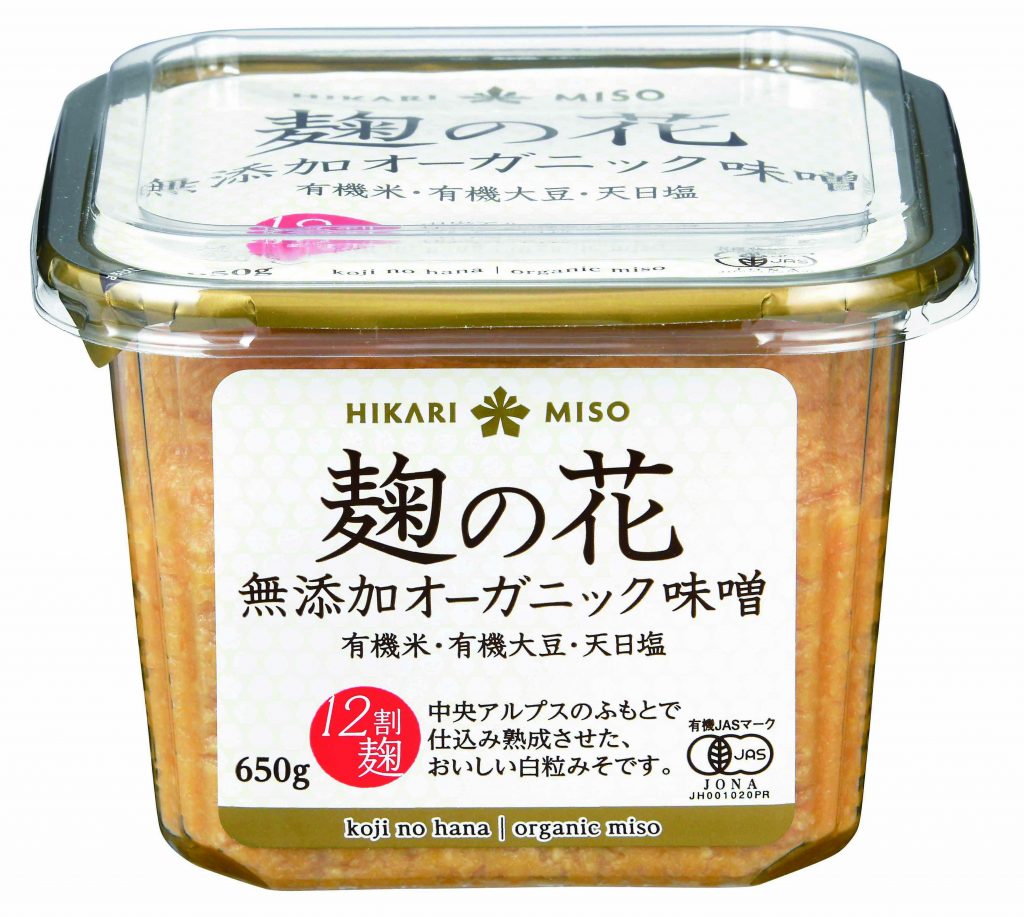
White, or shiro miso is also known as “sweet” or “mellow” miso. It’s usually fermented for a shorter period of time and has a lower salt content than the darker varieties. With a milder, sweeter flavor, it’s easily adaptable. Try it in warm-weather soups, dressings, and light sauces. It and can even be used in place of dairy in some recipes, for example miso (instead of butter) mashed potatoes.
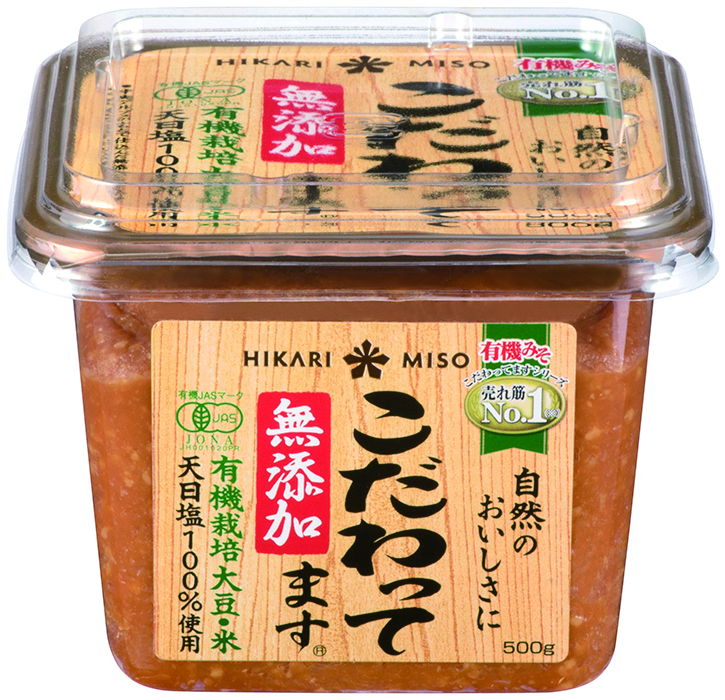
Yellow, or shinshu miso, though still mild, is usually fermented for a longer period than the white variety. It ranges in color from light yellow to light brown. As is the white miso, the yellow is a highly adaptable and flexible and can be used in a wide variety of cooking applications. Some use this in soups and glazes. It can also pair nicely with grilled or broiled fish, or be added in place of salt or soy sauce for an added tweak of unexpected, but welcome, flavor.
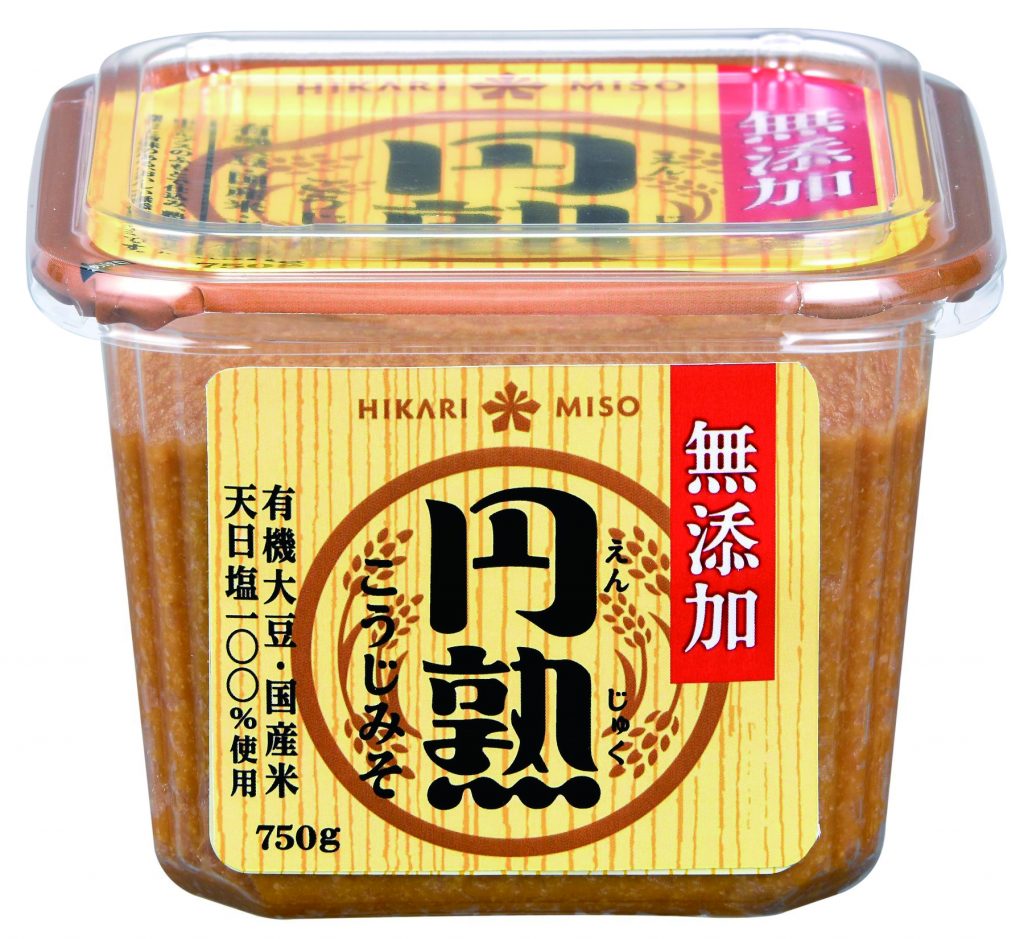
Red, or aka miso, is a longer-fermented miso that encompasses any darker red and brown varieties. Generally saltier than light yellow and white miso, it has a more assertive, emphatic and pungent flavor. It’s well suited for heartier dishes such as marinades, braises and glazes, as well rich soups. It features nicely in dips for stick salads and can more than hold its own with more flavorful meats such as pork. First time users might wish to proceed with caution: red miso can easily overwhelm milder ingredients. Try by adding slowly, a little at a time.
Other varieties
The three basic miso types listed above are just that: basic. Such a dynamic and versatile food as miso can be found in many other dynamic and versatile varieties.
Made from barley and soybeans, mugi miso usually has a longer fermentation process than most white miso. It has a strong barley aroma, but is still milder and slightly sweet in flavor. As with the lighter types mentioned above, mugimiso adds flavor and style to any number of recipes from salad dressing to soups. For the extra-adventurous, why not try mugi miso ice-cream!
Soybean, or mame miso, is made exclusively of soybeans and is aged up to three years. It is very dark in color, often chunky in texture, and very pungent in flavor. Try it paired with other flavorful and fragrant ingredients, such as garlic and ginger, or with tart fruit pastes such as apricot.
Beyond soup

Given its long history, for many years miso has been the backbone of various Japanese meals. It has been most commonly used as one-half of the two main components of the traditional Japanese daily breakfast; plain white rice accompanied by miso soup that contains a smattering of other ingredients.
The rich umami flavor of miso has made it a favorite in many other soup-based dishes, from ramen to hot-pot meals. In addition to being a rich and savory ingredient, miso has been used in many traditional confections that use a thick, sweet miso glaze over a variety of treats that are often associated with festivals, but are available at certain shops all year round.
Soybean miso can be used to pickle some vegetables such as cucumber, eggplant, daikon radish among others. Offering a change from salted pickles, miso pickling creates a sweeter flavor.
Regardless of the variety or method of use, traditionally made miso is flavorful, simple to use and nutritionally dense, supporting a wide and varied menu as well as a heathy gut microbiome, a healthy mind and a healthy body.
Recipes
Miso-Infused Tuna Tartare
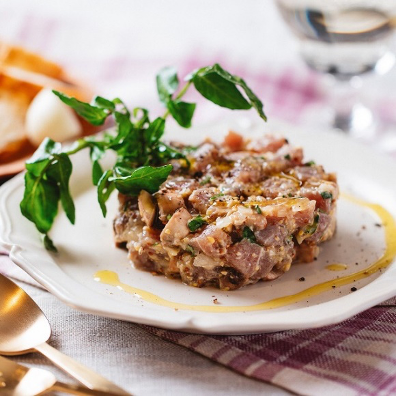
It is easy and fun to dress miso-infused tuna tartare and mushrooms; it can be enjoyed with a baguette or a nice wine. The sauce is made of miso, olive oil, grain mustard, Italian parsley and pepper. This sauce is also delicious served with sautéed salmon.
Ingredients (2 servings):
- 100g/3.5 oz tuna
- 2 mushrooms
- 1/6 onion
- 1 tbsp (15ml/0.5fl oz) organic barley miso or organic white miso
- 2 tbsp (30ml/1fl oz) olive oil
- 1 tsp (6g/0.2 oz) grain mustard
- 3 ribs of Italian parsley
- Some pepper
- Some baguette
- 1 garlic clove
- 1 rib of watercress
- 1/6 lemon
- olive oil to taste
- pepper to taste
- Cut the tuna and cleaned mushrooms into 5-mm squares. Chop the onions and Italian parsley. Cut lemon into wedges.
- Place all ingredients in (A) in a bowl and mix.
- Make a round mold with a diameter of 10 cm and a height of 2 cm using aluminum foil. (Or a 10-cm circle mold)
- Place the mold on the plate, and add the contents of the bowl and flatten. When the shape is a thick patty, slowly remove the mold. Sprinkle with olive oil and black pepper to taste and garnish with watercress and lemon.
- Rub the garlic onto the sliced baguette to serve with the patty, squeeze some lemon juice on the patty and enjoy with the baguette.
Key point:
After adding garlic, you can also enjoy the baguette lightly toasted.
Cabbage Boiled in Lemon Miso Cream

The sweetness of cabbage is really brought out in this miso cream dish. Miso and cream is an outstanding combination, and a deep richness is created by combining the two. Steaming lemon with ingredients brings a refreshing tartness to the dish.
Estimated Cooking Time: 20 minutes or less
Ingredients (2 servings):
- 1/2 cabbage
- 6 pork sausages
- 1 garlic clove
- 50ml/1.7fl oz white wine
- 100ml/3.4fl oz cream
- 2 tbsp (30ml/1fl oz) organic white miso
- 1/2 lemon
- 1 tbsp (15ml/0.5fl oz) olive oil
- Italian parsley for garnish
- Cut the cabbage into four equal parts without removing the core. Cut the garlic into thin slices. Wash the lemon well and cut it in half.
- In a saucepan put the olive oil, garlic and sausages and put them on low heat. When you can smell the garlic, add the cabbage.
- Add white wine over medium heat, and when it starts to boil add the cream, miso and lemon (without squeezing), cover and simmer over low heat for 10 minutes. For a more flavorful dish, more miso can be added.
- Serve in a bowl, garnish with boiled lemon and garnish with Italian parsley.
Please visit Hikari Miso’s website for more recipes!
https://hikarimiso.com/recipes/
All pictures are courtesy of Hikari Miso.
Story by Kirsten M. Snipp
From WINING & DINING in TOKYO 61











Recent Comments