
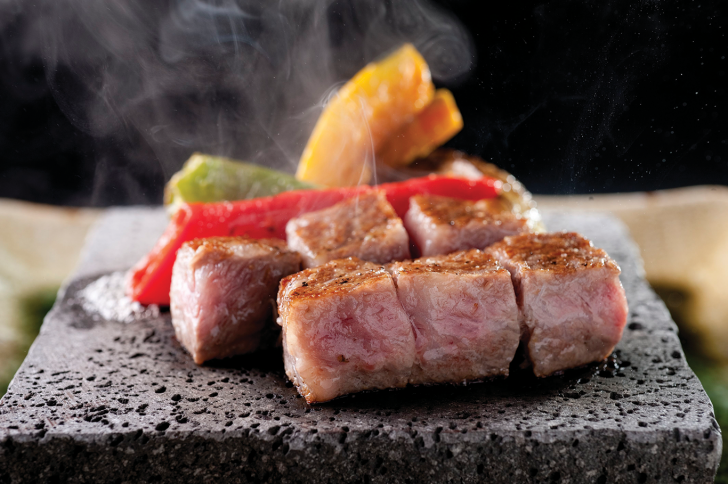
More and more beef and other meats are gaining in popularity, and whether you cook it yourself or enjoy it a restaurant, understanding what you are buying and the ways to cook it is the difference between dinner and an unforgettable meal.
This article will introduce some basic cooking methods and go over some of the higher-end steaks. A quick note about Japanese beef or Wagyu, literally Japanese cow, which refers to several breeds of cattle, whose meat is well known for heavy marbling and is renowned for its high quality and includes Kobe, Mishima, Matsusaka and other varieties. Wagyu tends to be the most tender of all beef and is likely to be found at higher end yakiniku and teppanyaki restaurants.
High in protein and enjoying a bit of a boom in Japan right now, beef is becoming more and more popular whether at home or in restaurants. There are many ways to cook beef, including grilling, roasting, pan-frying and other methods unique to Japan.
Some cooking methods
Grilling
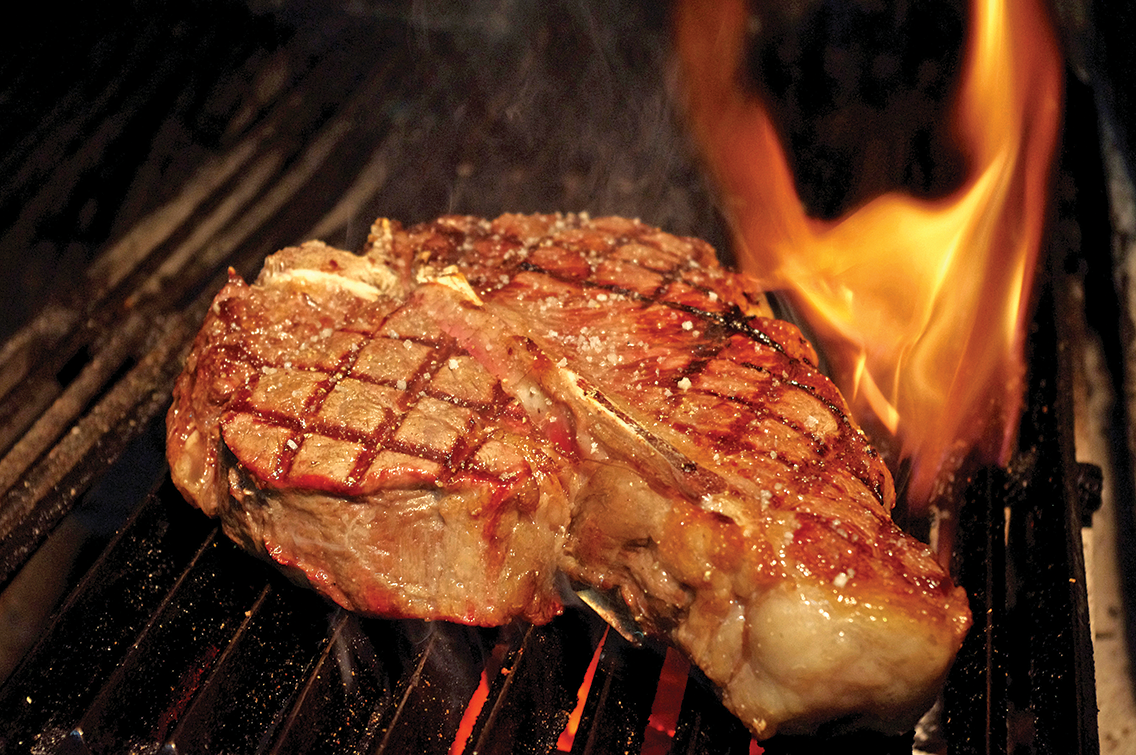
Cooking meat this way usually involves cooking over an open flame, whether it be over charcoal or gas. Grilling exposes meat to fairly high temperatures and this results in a savory roast aroma and flavor. Outside of barbecuing, this method in Japan is usually seen in steakhouses or at yakiniku restaurants, where thin slice of meat (typically beef, but also chicken or pork) are cooked at one’s table.
Roasting
This method of cooking involves a dry heat, lower temperatures and larger cuts of meat and is usually done in an oven. For higher quality cuts of meat, such as filet mignon or strip loin, a higher temperature is possible, but not recommended for lower quality cuts of meat. Roasting retains the meat’s natural juices and produces a juicy cut with a crispy exterior.
Pan-frying
For those without access to a barbecue or an oven, this is probably the most common method of cooking steak. For the best pan-fried steak, a small amount of oil is usually used in a fairly heavy pan, ideally cast iron, which retain their heat better. This method is very much like teppanyaki cooking where chefs prepare steak tableside on a teppan or griddle.
Shabu-shabu
This method of cooking is unique to Japan and involves extremely thinly sliced beef or pork cooked very quickly in boiling water and eaten with a dipping sauce.
Steaks
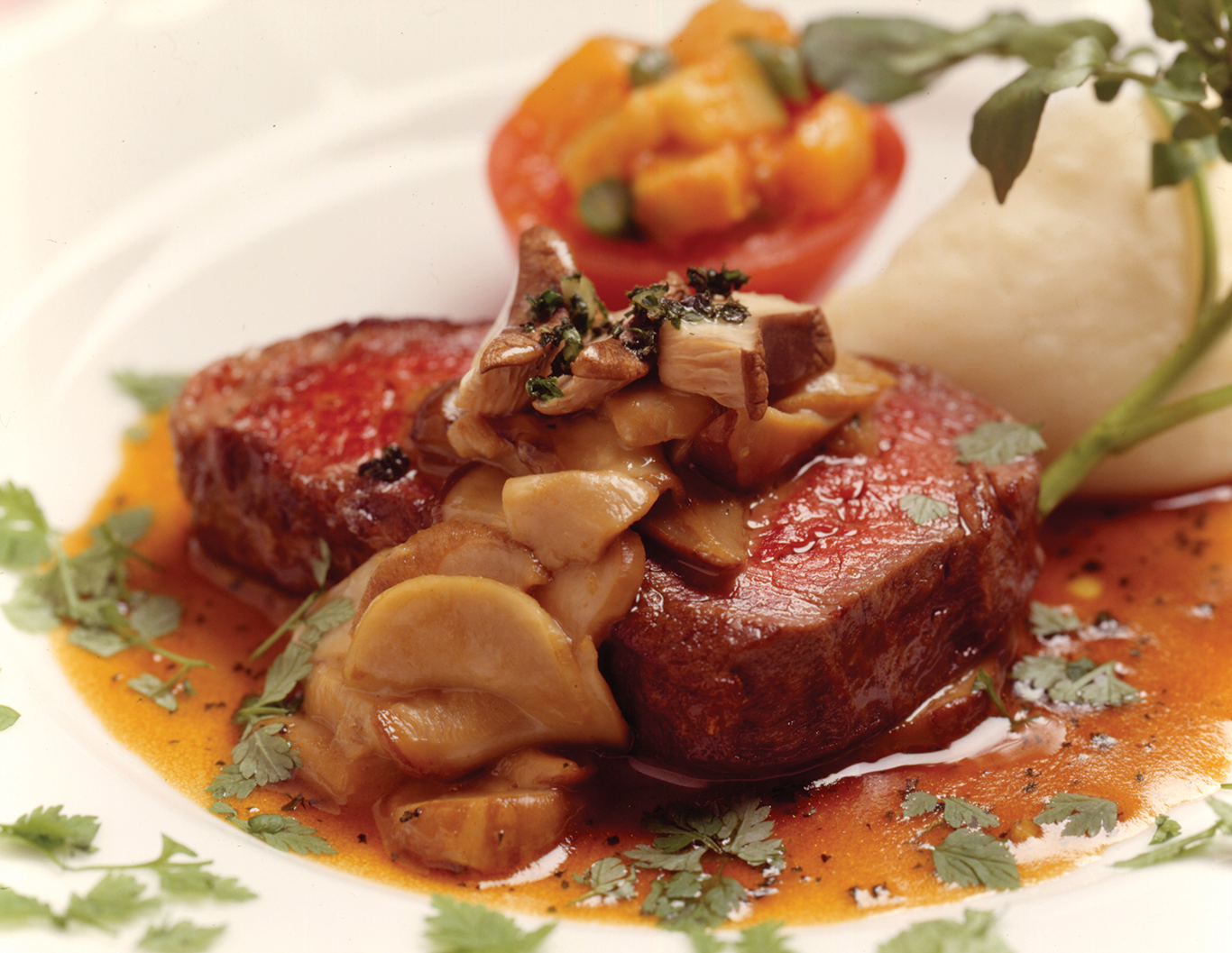
Whether buying meat or ordering in a restaurant, knowing the cut of steak is important to getting the most out of the meat. When it comes to steak, cheaper cuts such as skirt, sirloin and flank are perfectly tasty, but are not as tender as the top steaks.
The tenderness of steak is determined by the amount of use a muscle gets, making relatively unused muscles (such as the loin, which runs outside of the ribs along the spine the of a steer from the head to the hip) extremely tender and ideal for the best steaks. The tenderloin (which runs inside the ribs along the spine) is even more tender and due to its smaller size, makes it the most expensive possible cut. Some of the highest quality steaks include:
Ribeye
This steak is cut from the front end of the loin, is heavily marbled and is a rich, flavorful cut. It is typically pan-fried or grilled, but caution must be taken as the high fat content tends to make flare-ups a problem when grilling.
Strip
Known as top sirloin, top loin, New York strip or Kansas City strip is cut from the rear end of the loin. This is a moderately marbled cut, making it somewhat tender and with a strong savory beef flavor. This is a favorite at steakhouses as it is a great steak for pan-frying or grilling as less fat makes for fewer flare-ups.
Tenderloin
Also called filet, filet mignon or Chateaubriand (a thicker cut made to feed two or more people). This steak is cut from the center section of the tenderloin and is extremely tender and almost buttery in texture. Although it is one of the most prized steaks, the low amount of fat makes it one of the least flavorful, so unless you are looking for an extremely low-fat option or care only about tenderness, you are probably better off with another, cheaper cut. Tenderloin is good for pan-frying or grilling, but because muscle tends to conduct heat better than fat, it cooks very quickly and there is a danger of it drying out.
T-Bone
Also known as a porterhouse, this is a two-in-one steak. On one side of the “T”-shaped bone is a piece of tenderloin (the smaller piece), while on the other is a piece of strip. The T-Bone combines the deep, rich flavor of the strip with the tenderness of the tenderloin. Because of the bone, pan-frying is difficult and grilling must be done with the tenderloin further from the heat to keep it from drying out.
Whether you head for yakiniku to cook it yourself or splurge on an expensive teppanyaki experience, beef is booming in Japan and anytime is the right time for a delicious steak.
For the best cuts, cooked to perfection, check out:
Steak
The Oak Door (Roppongi)
japanrestaurant.net/en/shop/the-oak-door
T Nakameguro (Naka-Meguro)
japanrestaurant.net/en/shop/t-nakameguro
Ouback Steakhouse
Shinagawa // Makuhari // Ebina // Ikebukuro // Maihama // Shinagawa // Osaka-Umeda // Shibuya // Nagoya
Latina Parrilla (Ginza)
japanrestaurant.net/en/shop/latina-parrilla
Super Bacana Ginza (Ginza)
japanrestaurant.net/en/shop/super-bacana-ginza
Nikukou (Hiroo)
japanrestaurant.net/en/shop/nikukou
Niku Kabuku (Shinjuku)
japanrestaurant.net/en/shop/niku-kabuku
Wagyu Utoka (Hiroo)
japanrestaurant.net/en/shop/wagyu-utoka
Mother’s of Kamakura (Kamakura)
japanrestaurant.net/en/shop/mothers-of-kamakura
Teppanyaki
KEYAKIZAKA (Roppongi)
japanrestaurant.net/en/shop/keyakizaka
GINMEISUI (Ginza)
japanrestaurant.net/en/shop/ginmeisui-ginza
YEBISU (Ebisu)
japanrestaurant.net/en/shop/yebisu-2
Teppan Ten-yu (Shinjuku)
japanrestaurant.net/en/shop/teppan-ten-yu
Steak Misono
Kyoto // Kobe // Shinjuku
YASAIYA teppanyaki (Akasaka)
japanrestaurant.net/en/shop/online-booking-yasaiya-teppanyaki-akasaka
Steakhouse Matsunami (Asakusa)
japanrestaurant.net/en/shop/steakhouse-matsunami
Sumiyaki Saito (Roppongi)
japanrestaurant.net/en/shop/teppanyaki-sumiyaki-saito
Pandora Takumi (Shinjuku)
japanrestaurant.net/en/shop/pandora-takumi
Teppanyaki RURI (Osaka)
japanrestaurant.net/en/shop/teppanyaki-ruri
Mouriya (Kobe)
japanrestaurant.net/en/shop/mouriya
Kobe Beef Ishida (Ginza)
japanrestaurant.net/en/shop/kobe-beef-steak-ishida-ginza-main
Yakiniku
Yakiniku 37west NY (Shimbashi)
japanrestaurant.net/en/shop/yakiniku-37west-ny
Yakiniku Kappo Note (Hiroo)
japanrestaurant.net/en/shop/yakiniku-kappo-note
NikuTatsu
Shibuya // Ginza // Aoyama // Nihonbashi-Muromachi
Rokkasen Otakibashi St. (Shinjuku)
japanrestaurant.net/en/shop/rokkasen-otakibashi
Yakiniku Washino (Shinjuku)
japanrestaurant.net/en/shop/yakiniku-washino
From WINING & DINING in TOKYO 45






Recent Comments